

Gallery
Wildlife, the forest and its impact
Four themes, four stories: the ecosystem's wildlife, its forest and rivers, K-BIAN's work on the ground, and the mining that puts pressure on it all — every photograph links through to its own full-size file.
Fauna







Wildlife
Primates, birds, snakes and the forest's 487 butterfly species
18 photographs
One of 487 butterfly species recorded across the Kakamega Forest Ecosystem.
Credit: K-BIAN
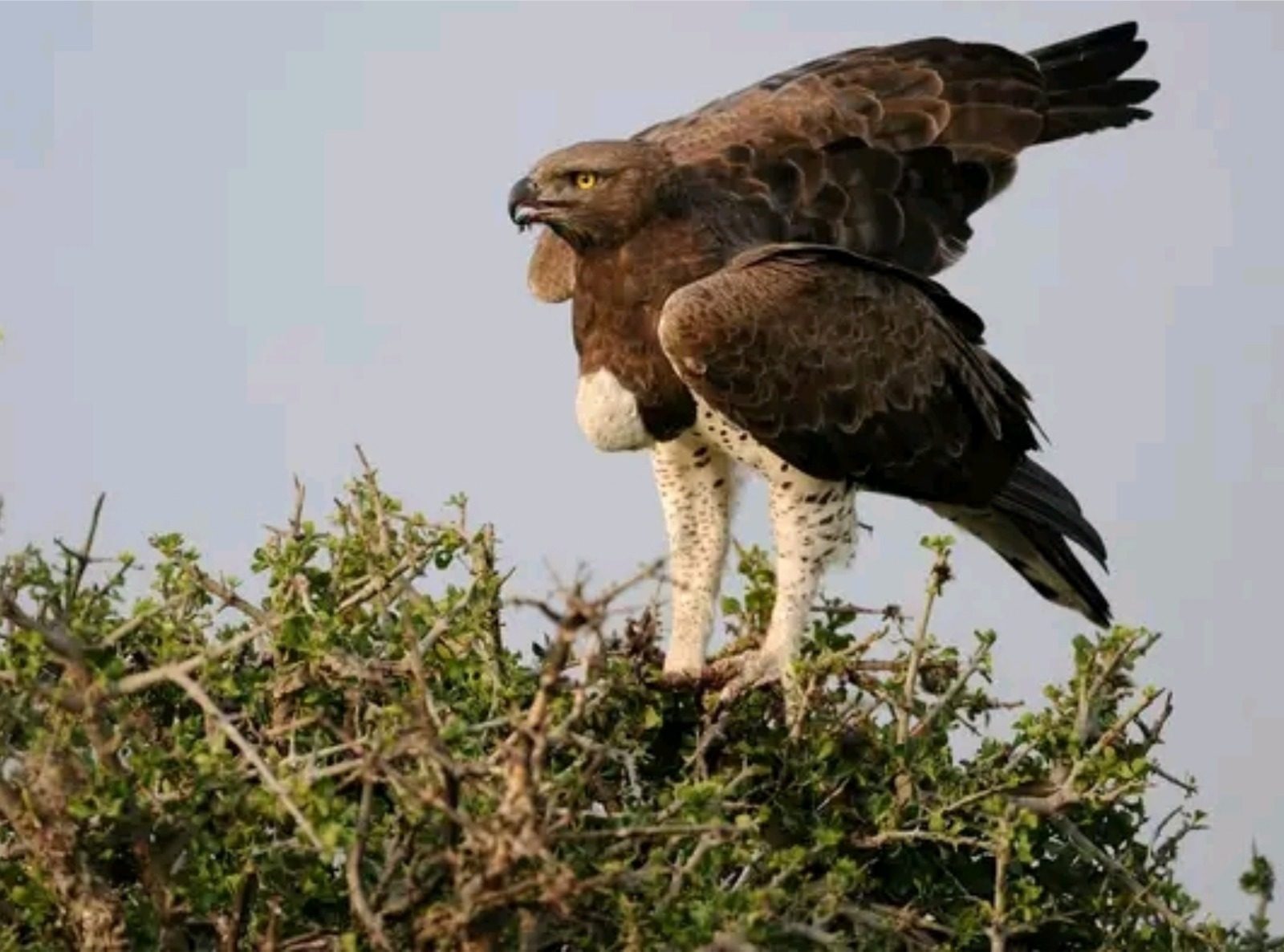
A martial eagle in the Kakamega Forest Ecosystem.
Credit: K-BIAN
A bar-tailed trogon in the forest canopy.
Credit: K-BIAN
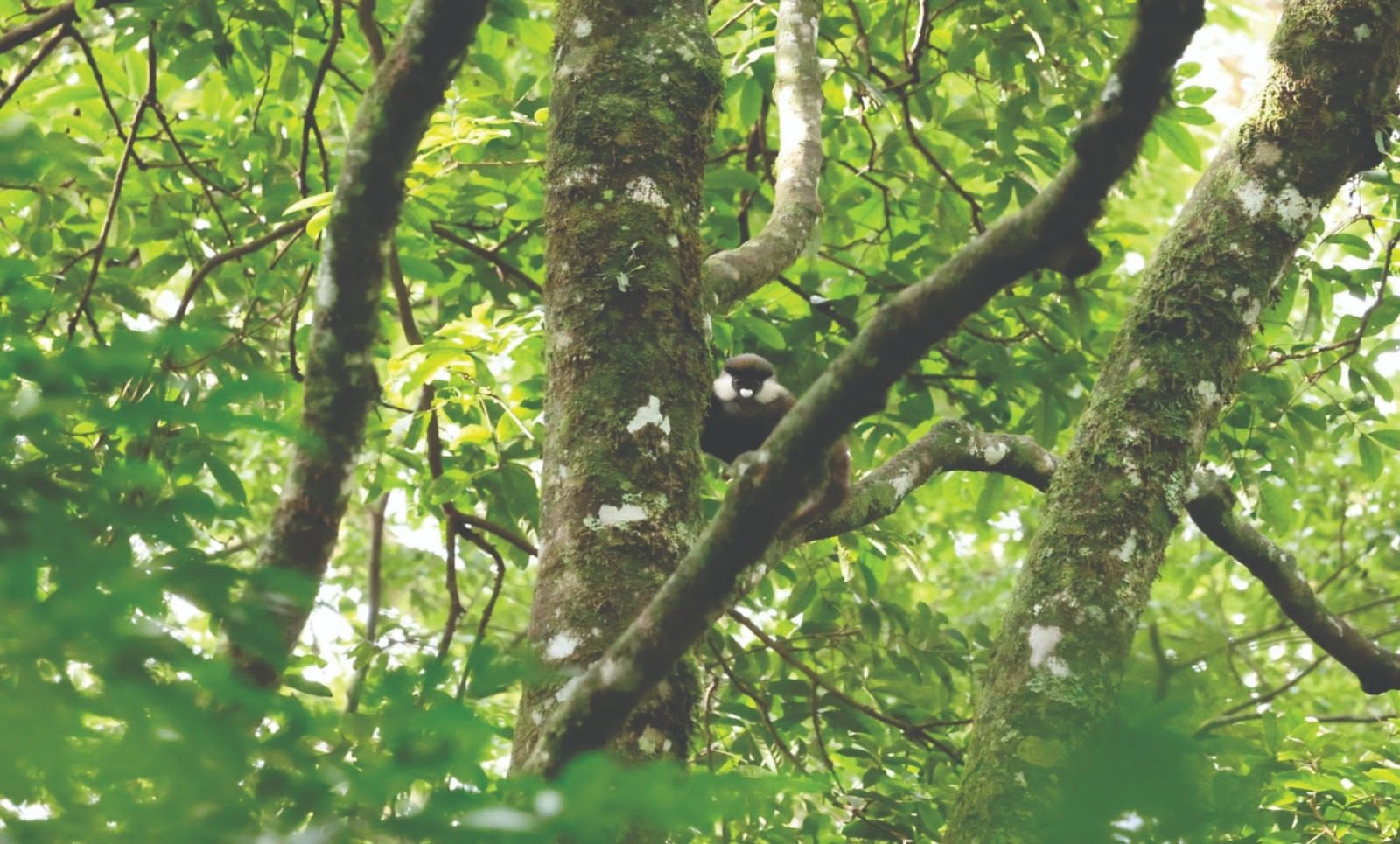
One of the forest's primate species, in dense cover.
Credit: K-BIAN
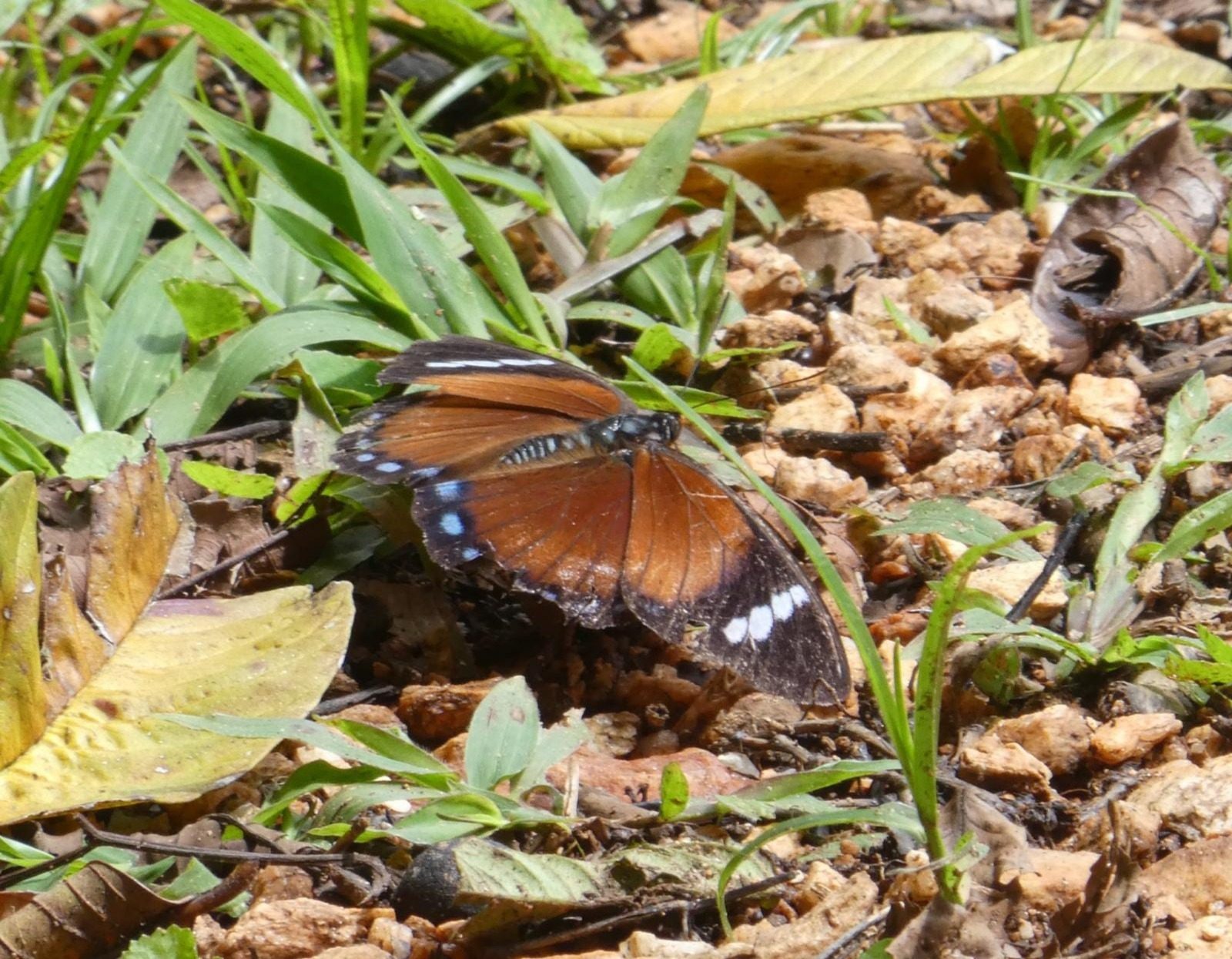
A butterfly resting among leaf litter on the forest floor.
Credit: K-BIAN
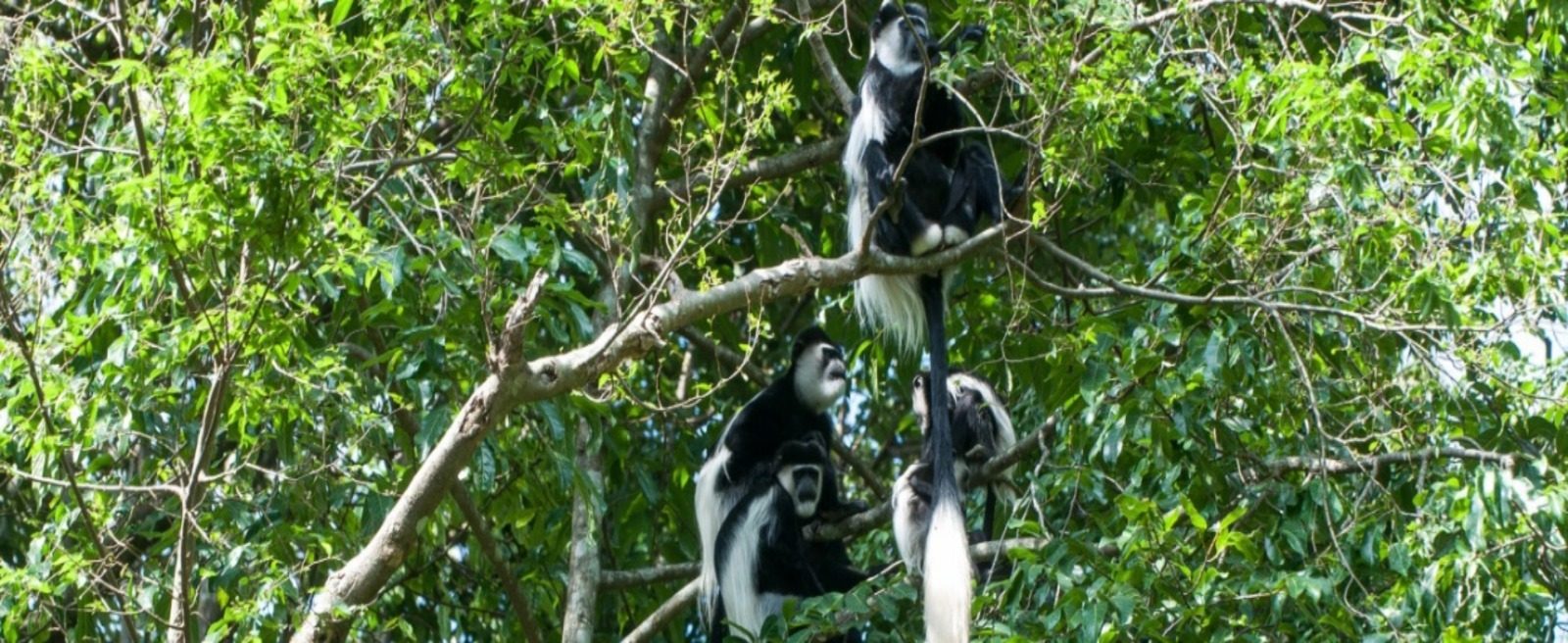
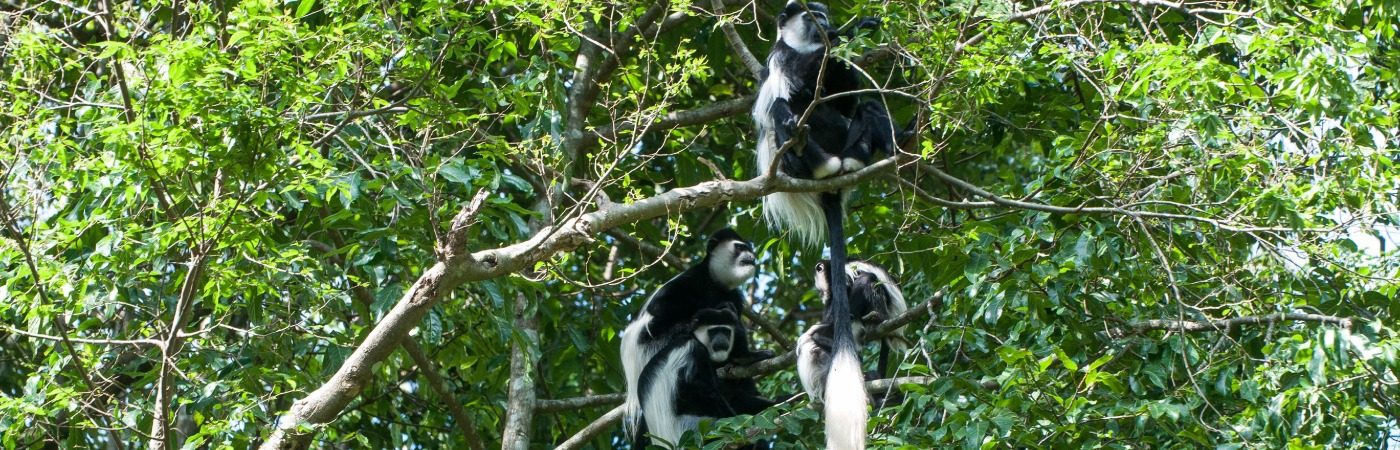
Black-and-white colobus monkeys in the forest canopy.
Credit: K-BIAN
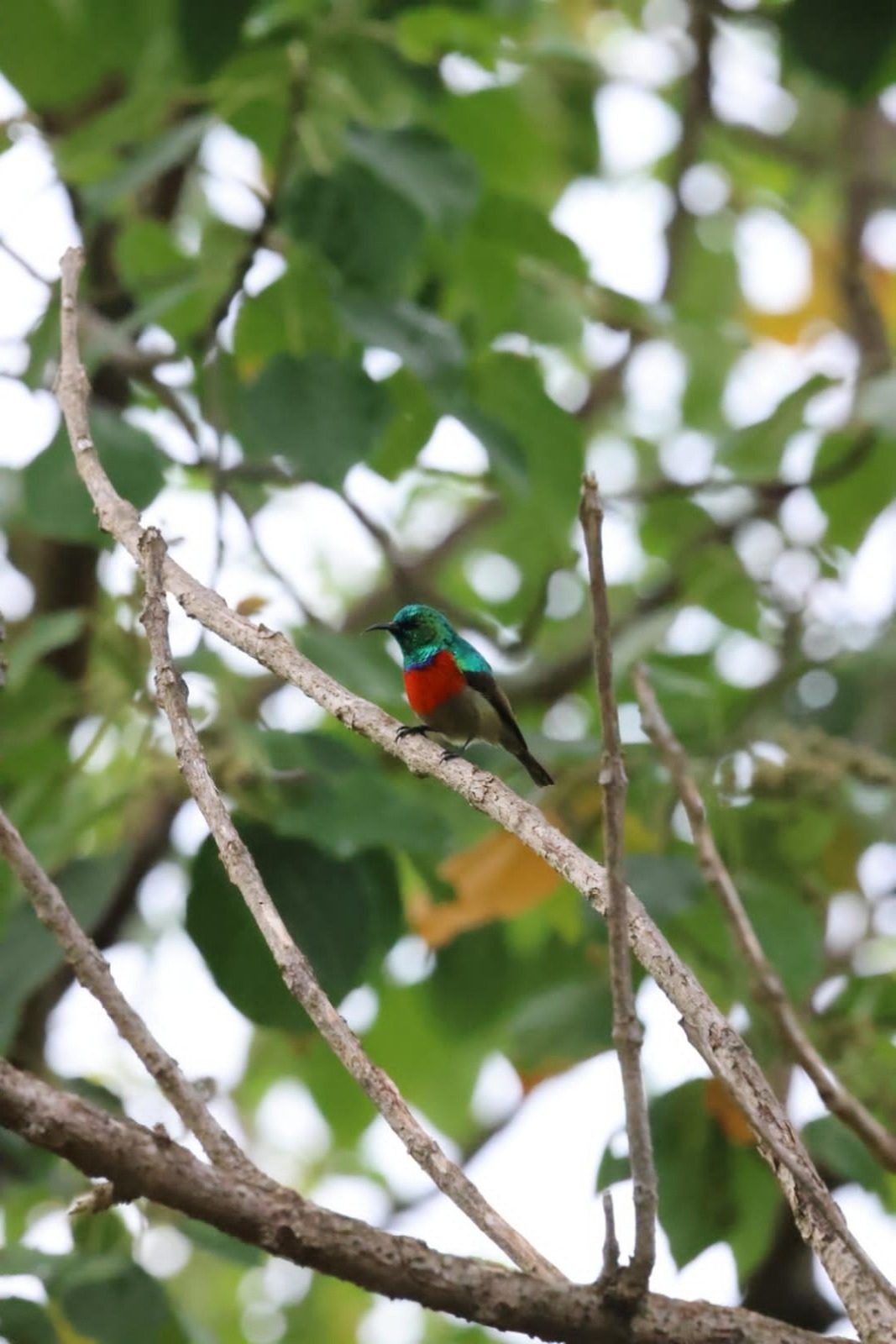
A sunbird in the Kakamega Forest Ecosystem.
Credit: K-BIAN
A woodpecker among the forest's mossy branches.
Credit: K-BIAN
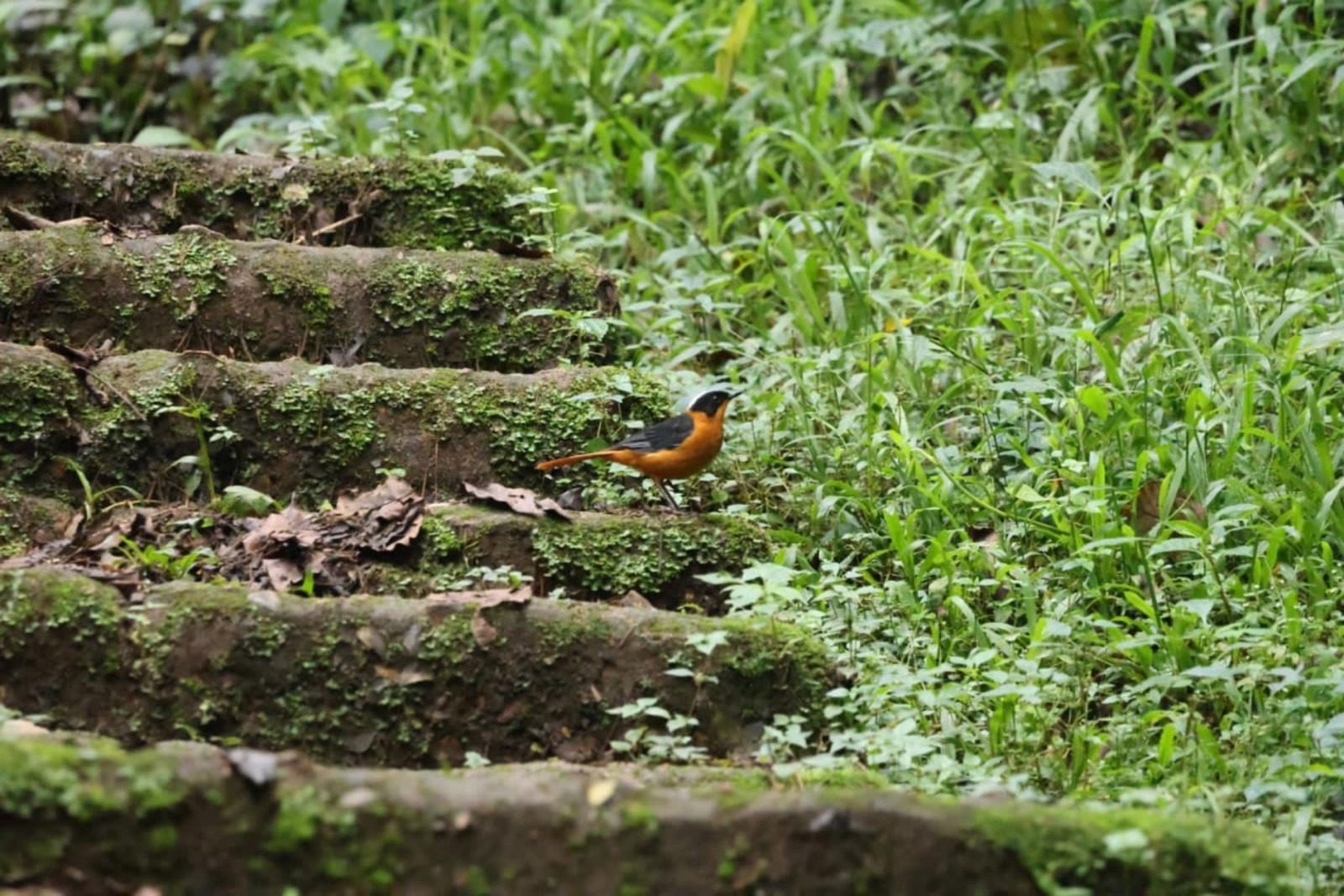
A forest bird on the old stone steps within the reserve.
Credit: K-BIAN
A forest bird foraging on the ground.
Credit: K-BIAN
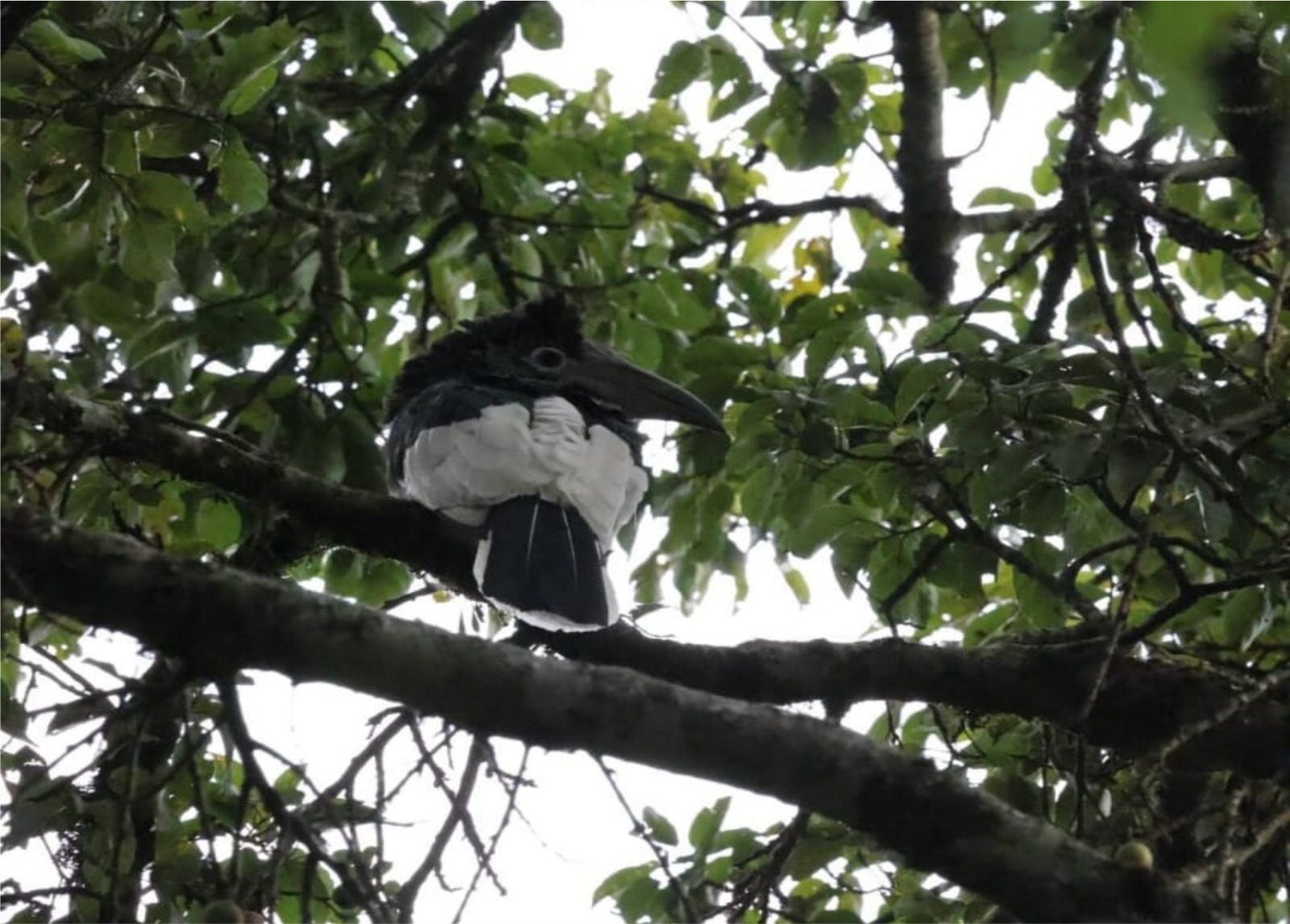
A hornbill in the forest canopy.
Credit: K-BIAN
A forest bird on open ground.
Credit: K-BIAN
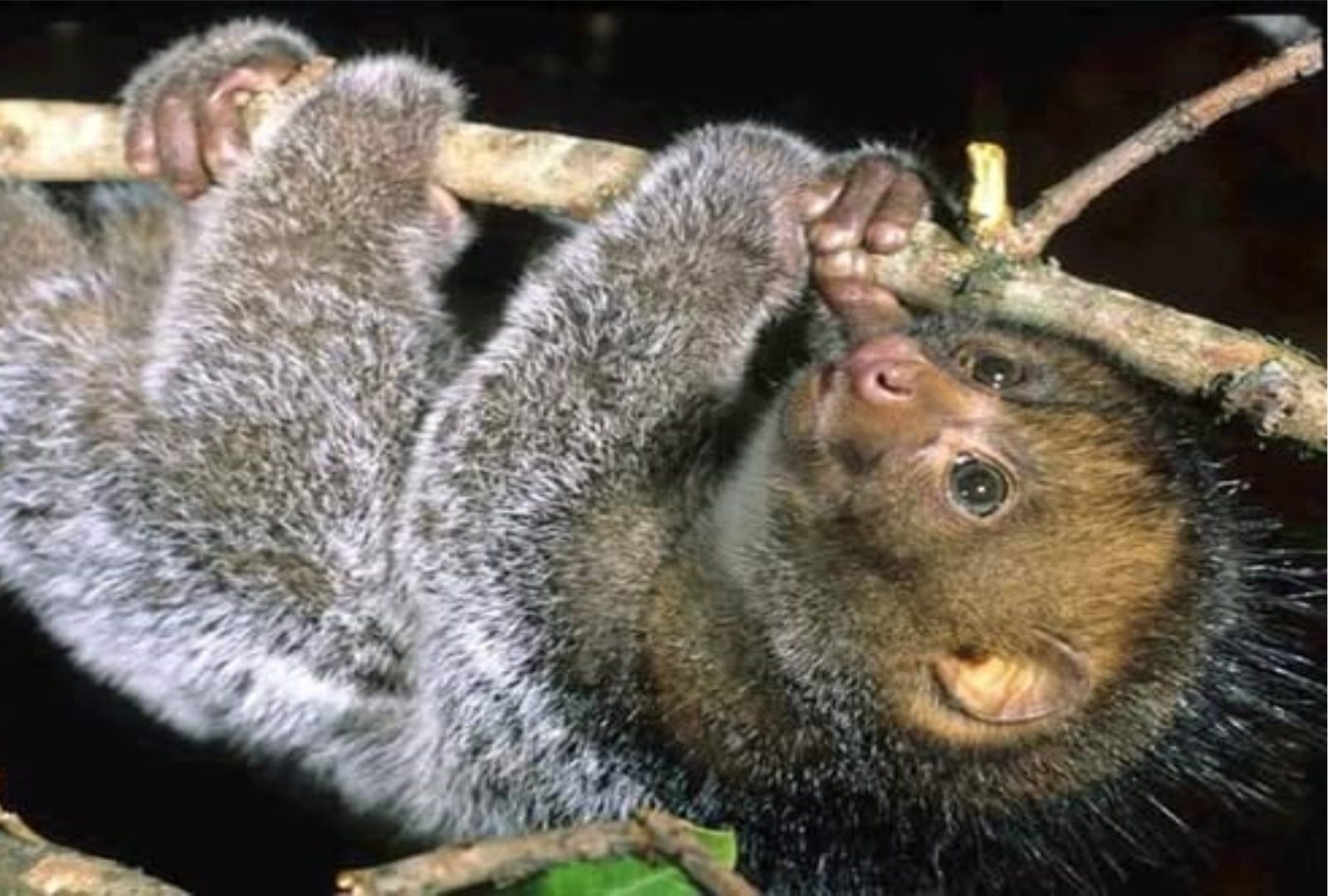
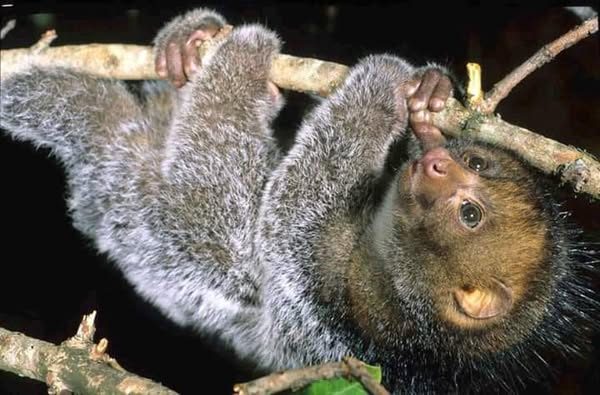
A potto, one of the forest's nocturnal primates.
Credit: K-BIAN
A family group of black-and-white colobus monkeys.
Credit: K-BIAN
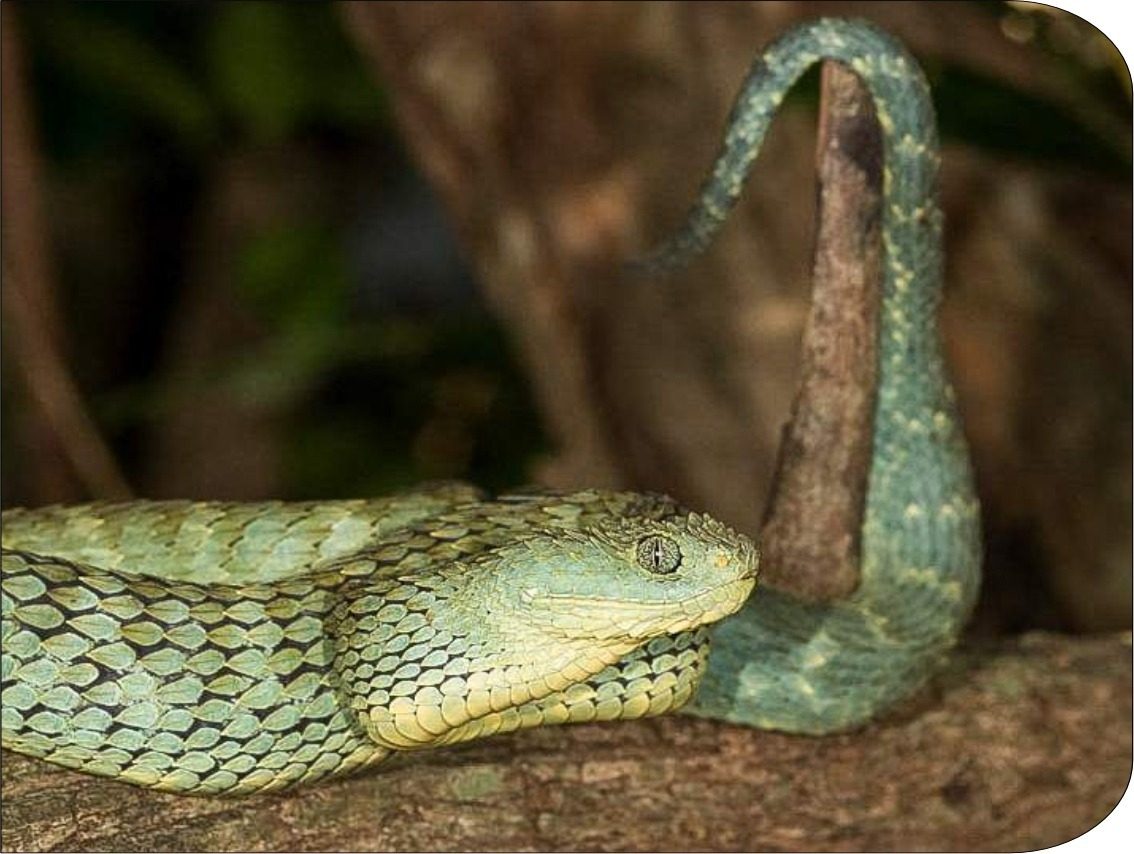
One of the forest's recorded snake species.
Credit: K-BIAN
One of the forest's recorded snake species.
Credit: K-BIAN
Black-and-white colobus monkeys in the Kakamega Forest Ecosystem.
Credit: K-BIAN
A potto photographed at night.
Credit: K-BIAN
Landscape




The forest
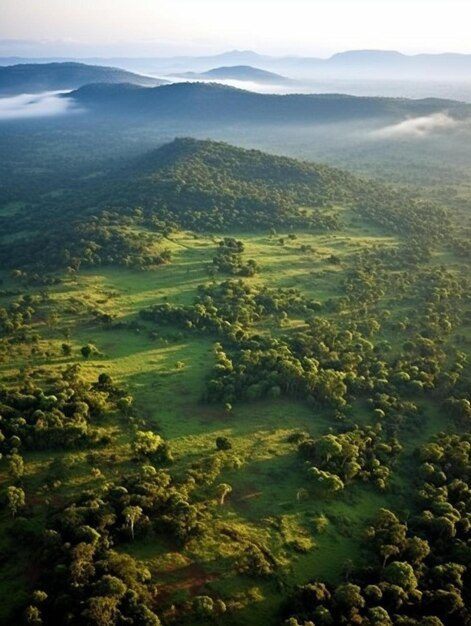
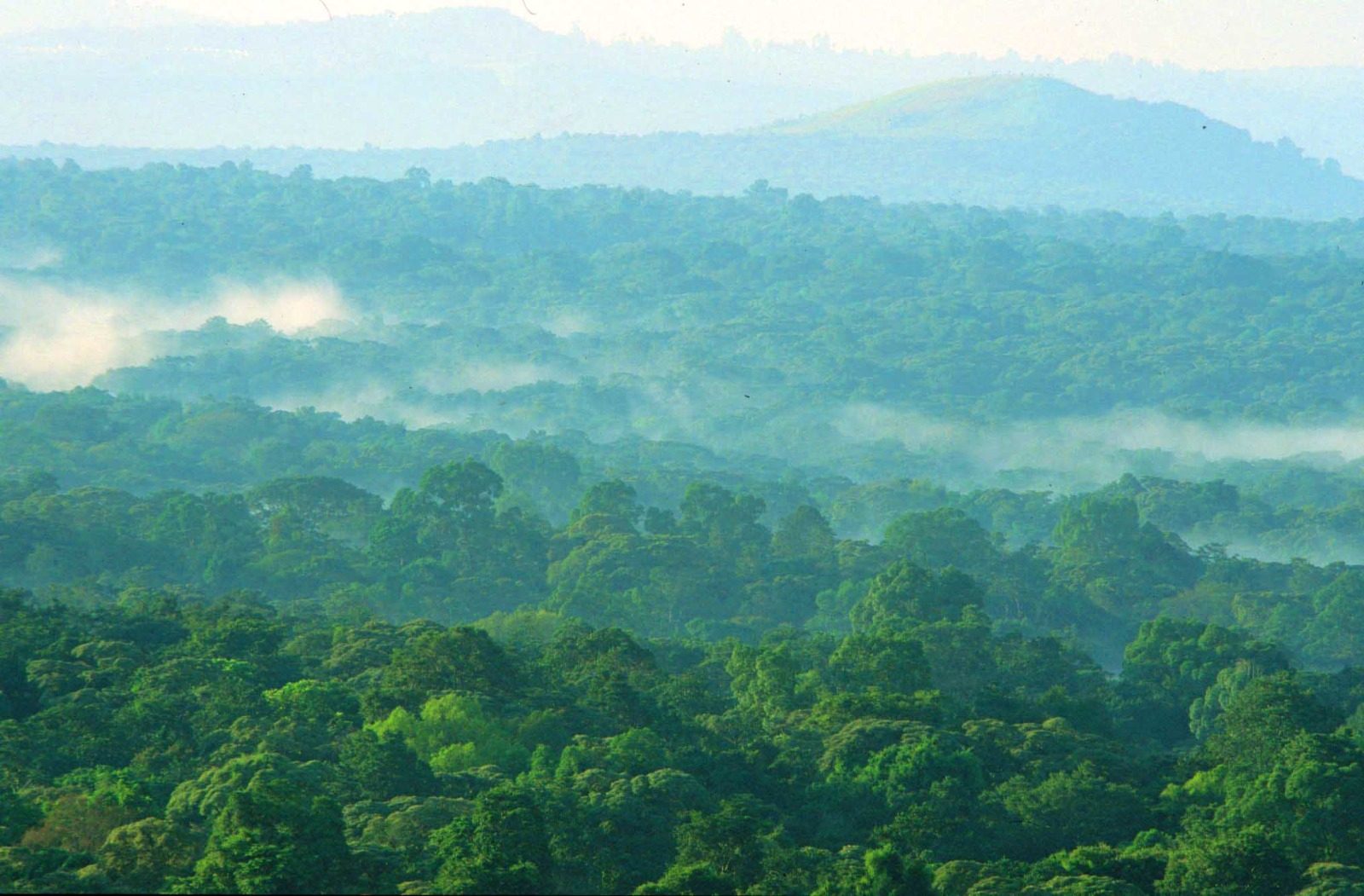
Canopy, rivers, waterfalls and the reserves from the air
22 photographs
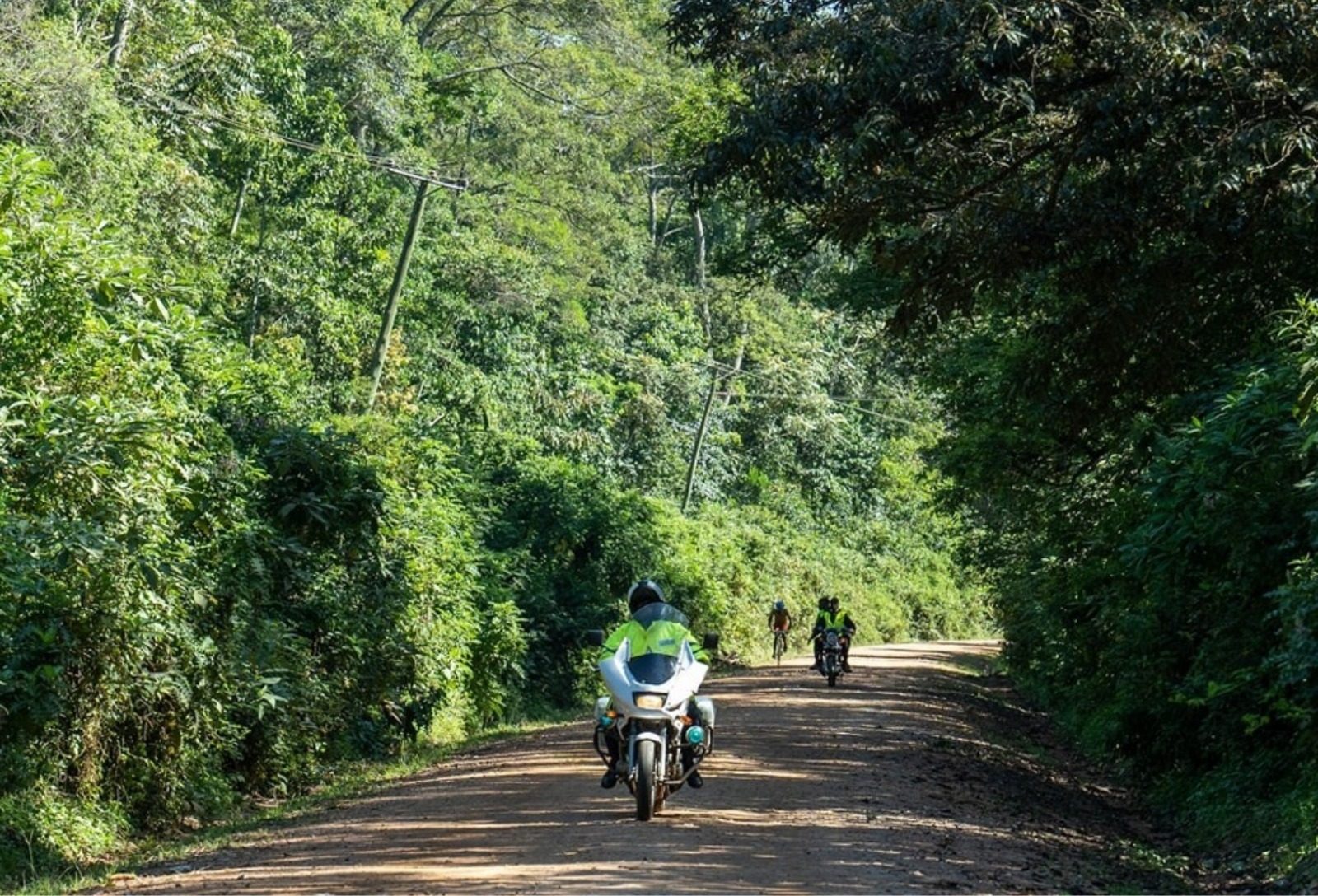
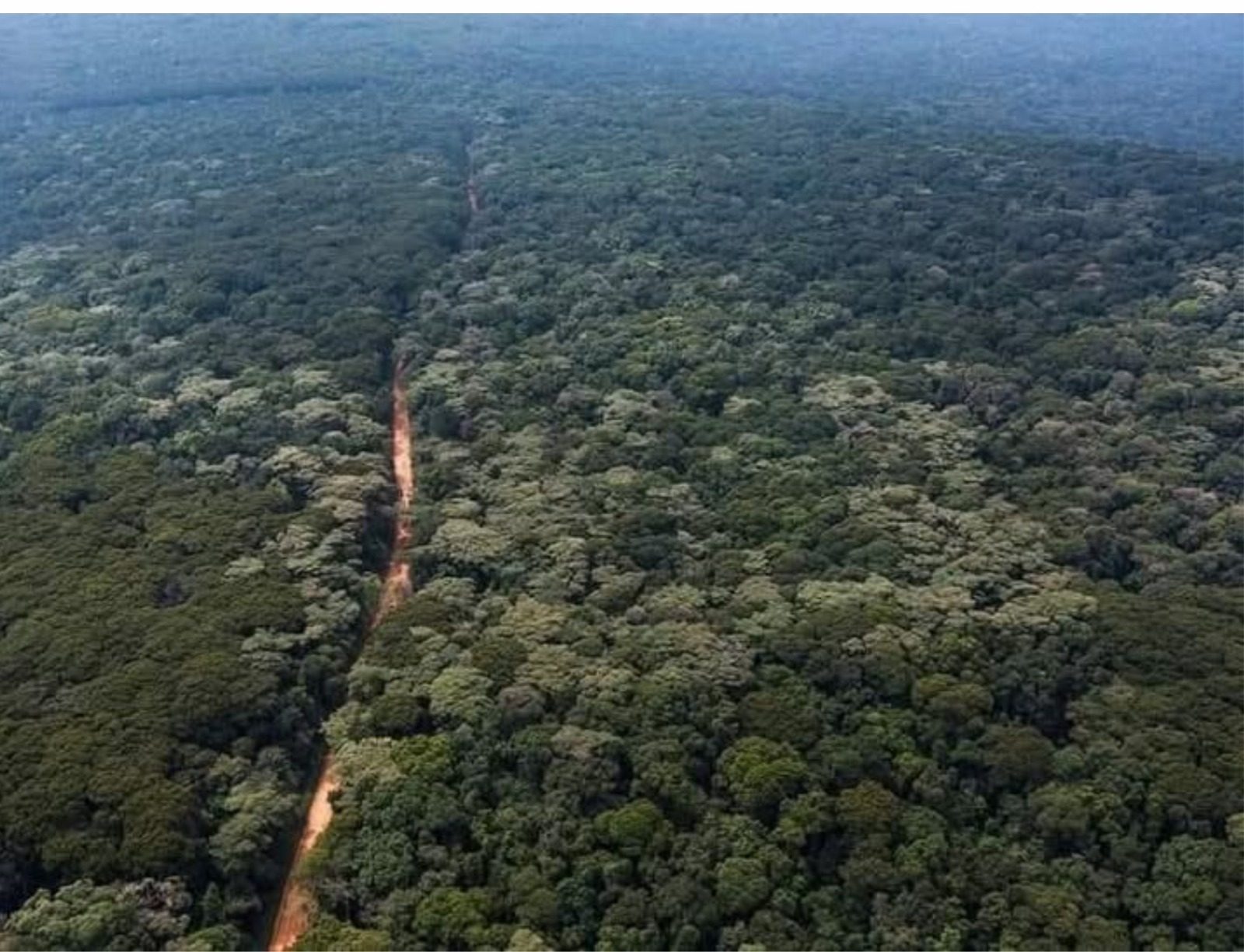
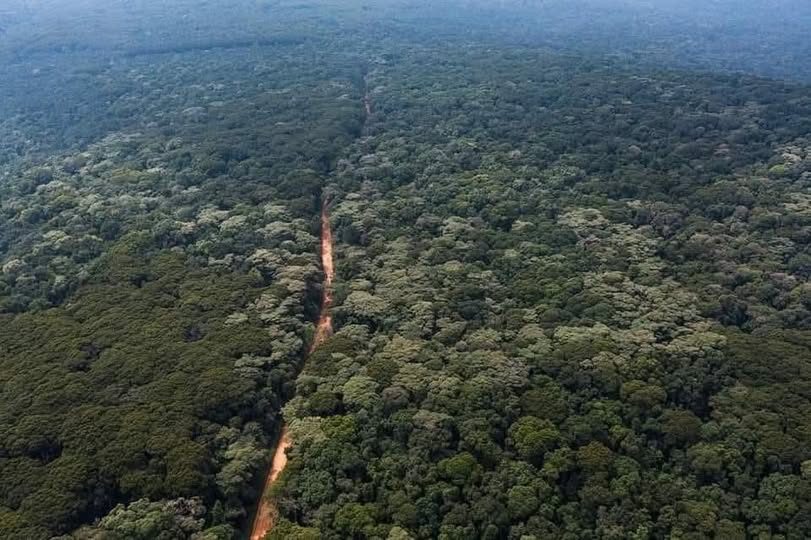
A forest road within the Kakamega Forest Ecosystem.
Credit: K-BIAN
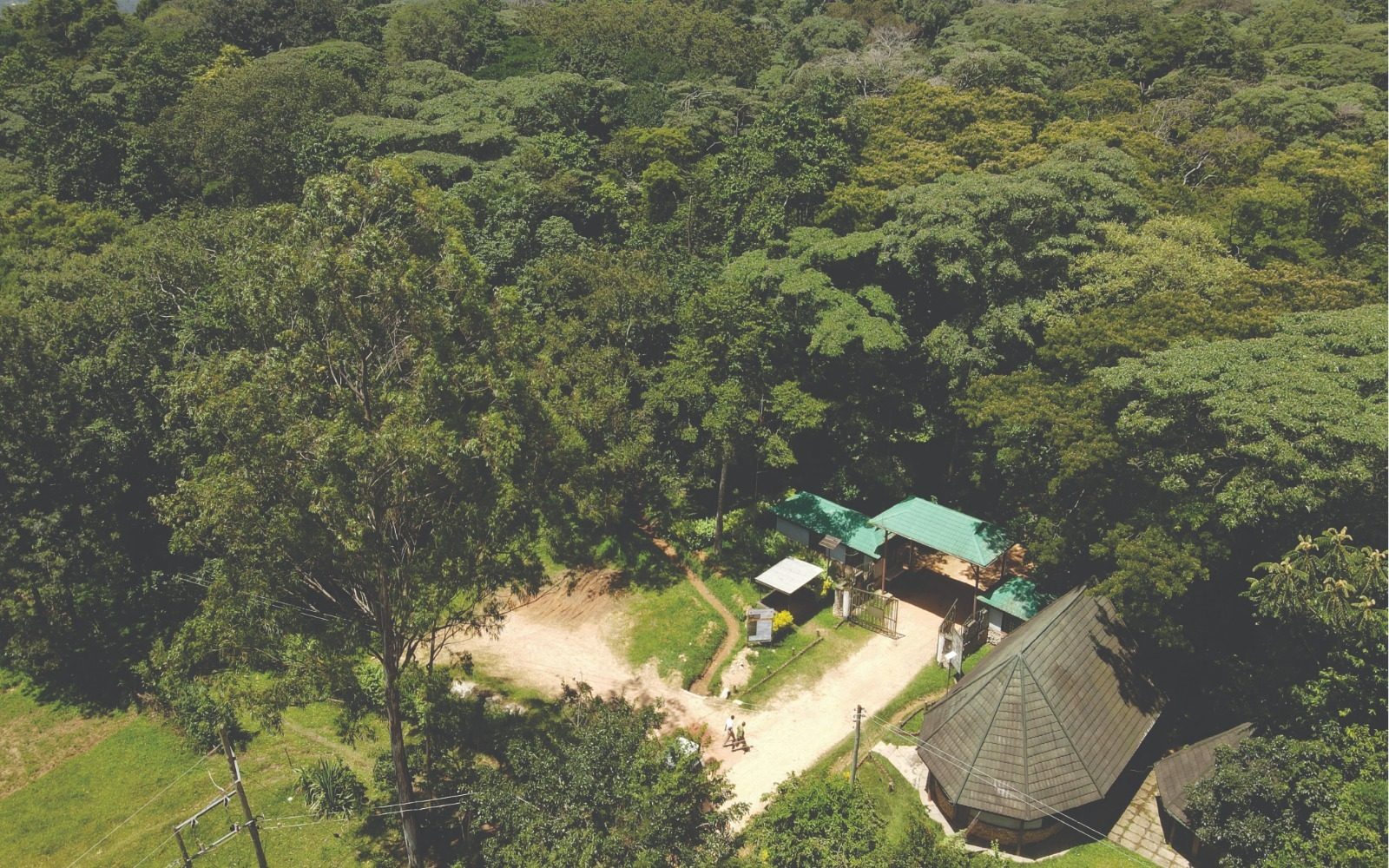
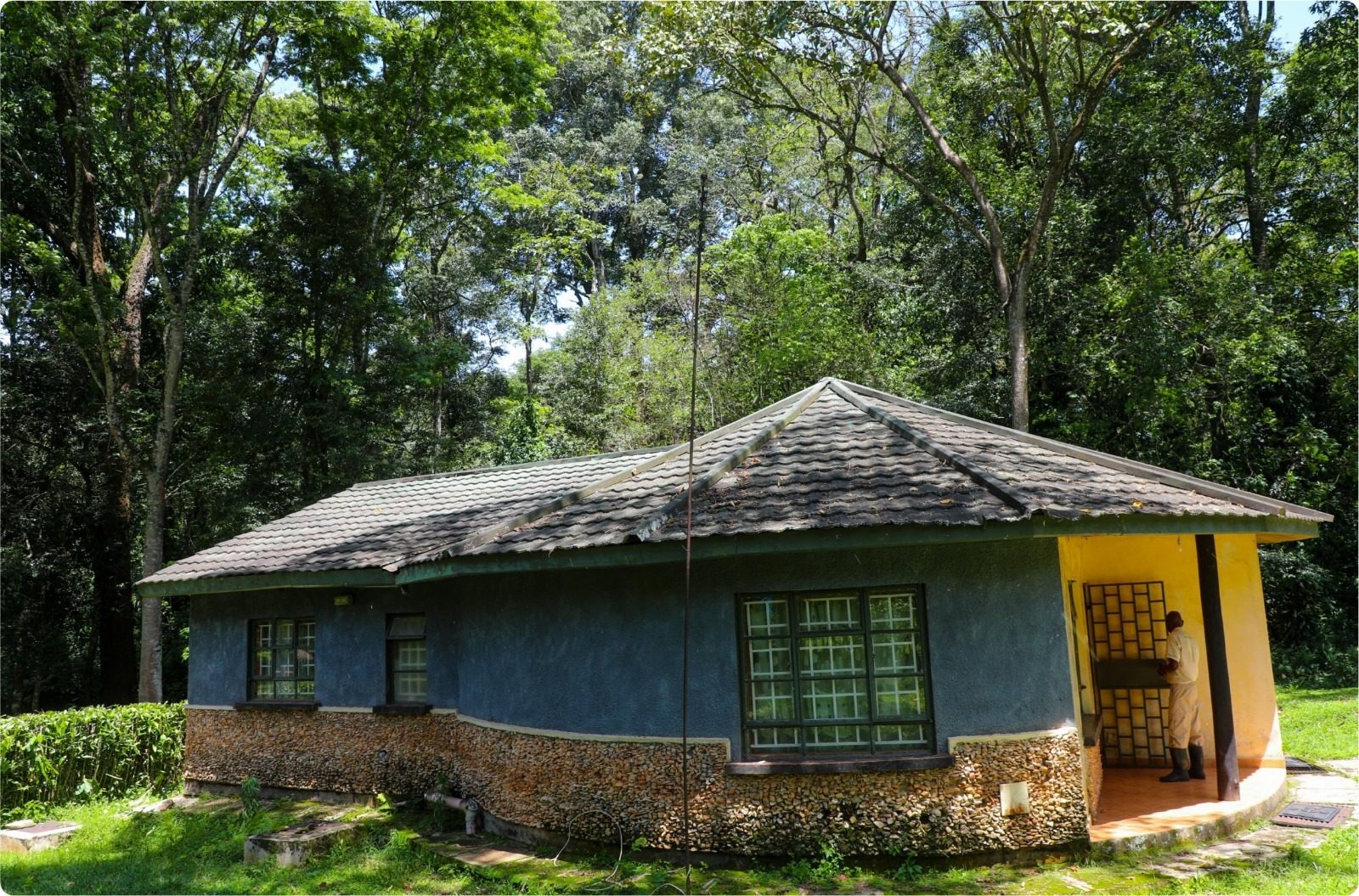
Forest lodge infrastructure within the reserve.
Credit: K-BIAN
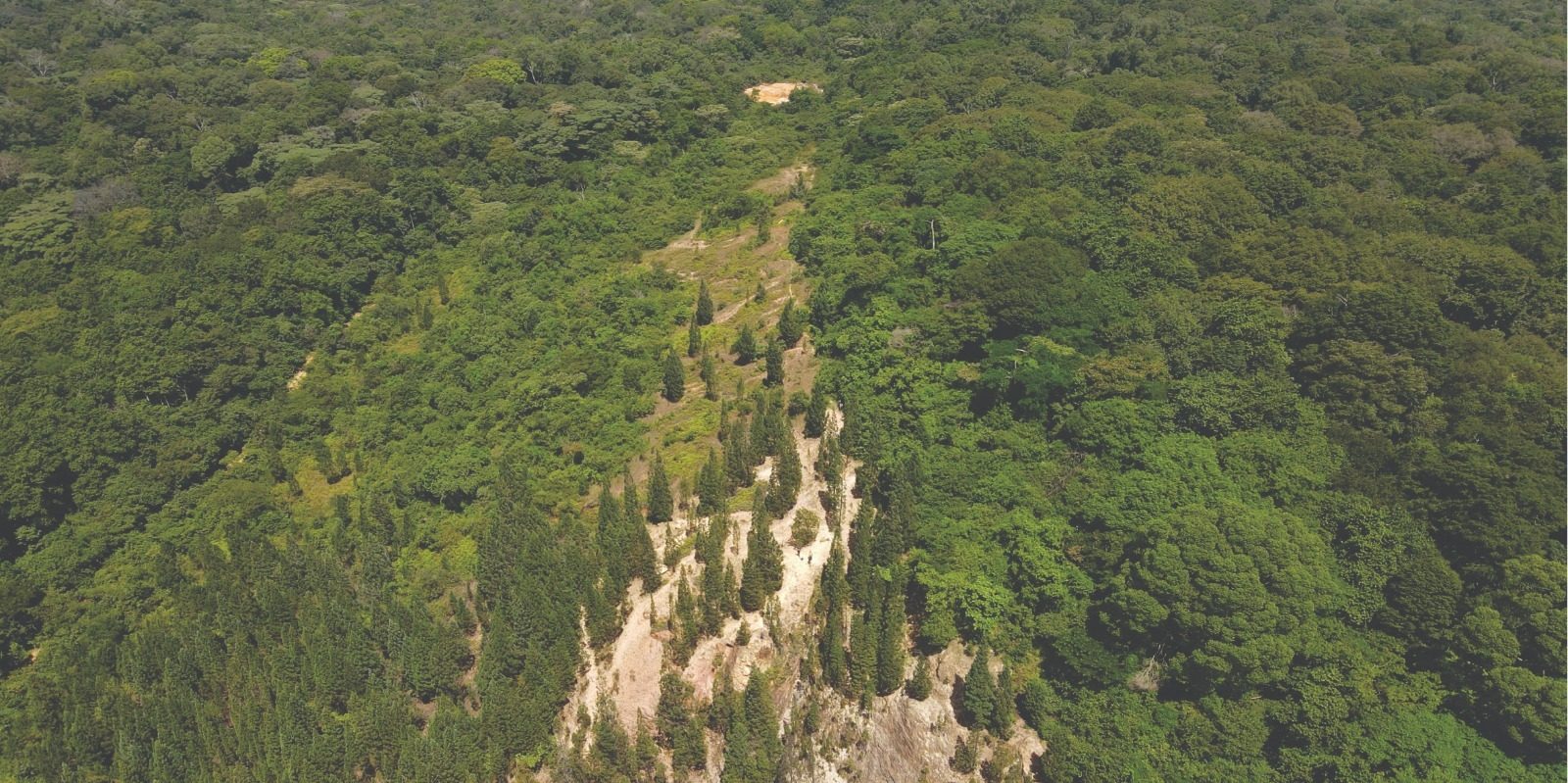
Pressure on the forest canopy, seen from the air.
Credit: K-BIAN
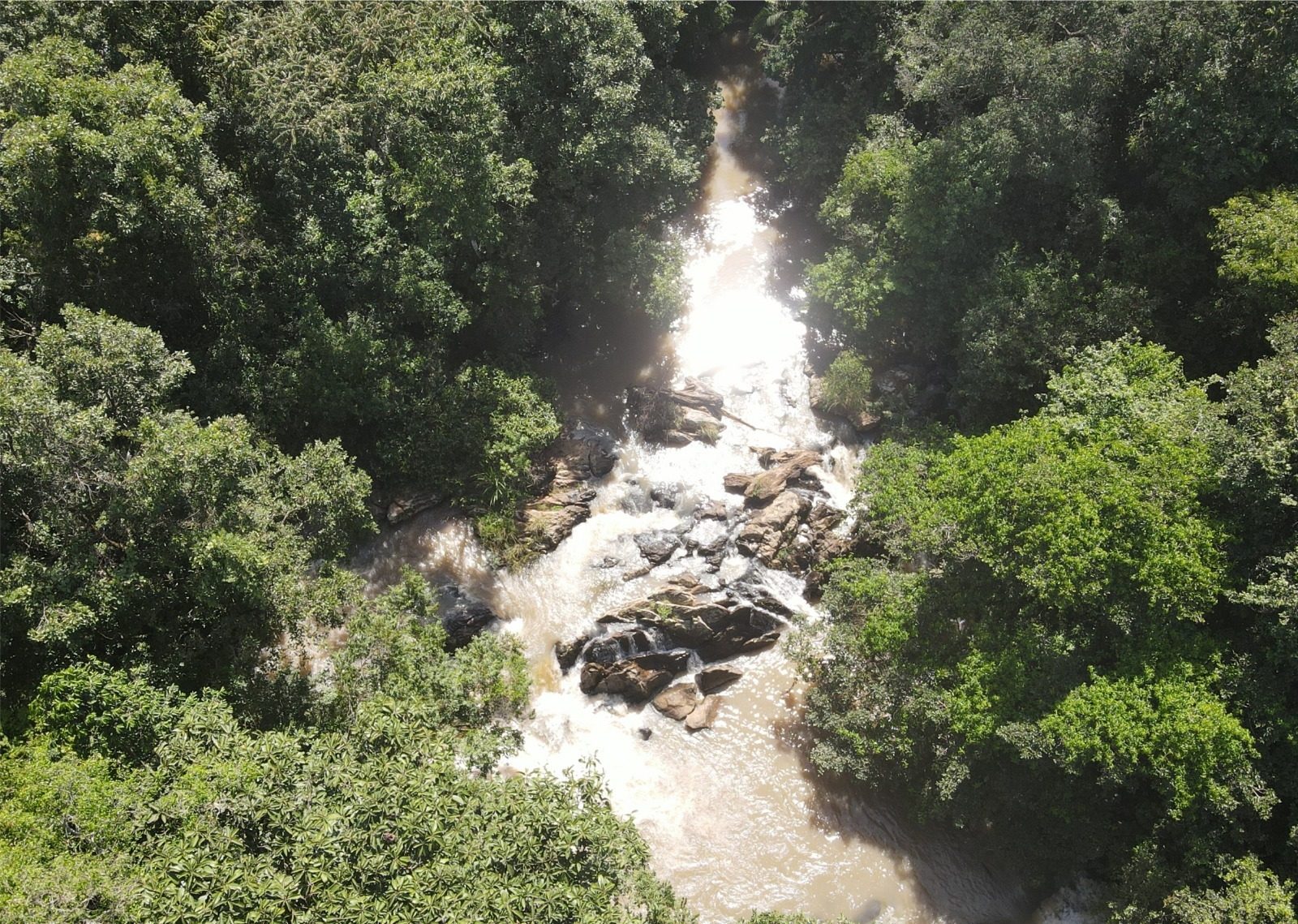
One of the rivers running through the Kakamega Forest Ecosystem.
Credit: K-BIAN
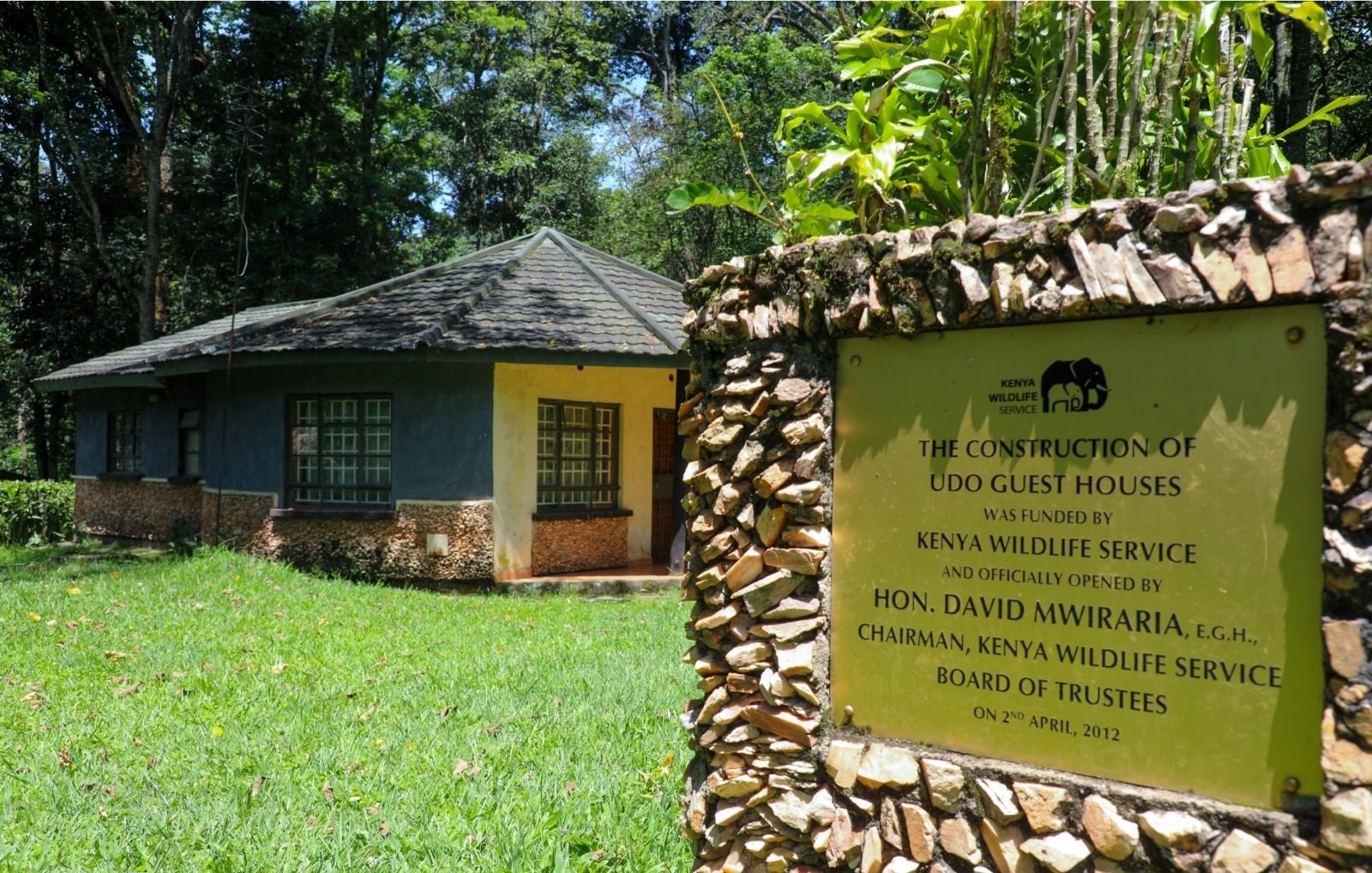
Guest accommodation within the reserve.
Credit: K-BIAN
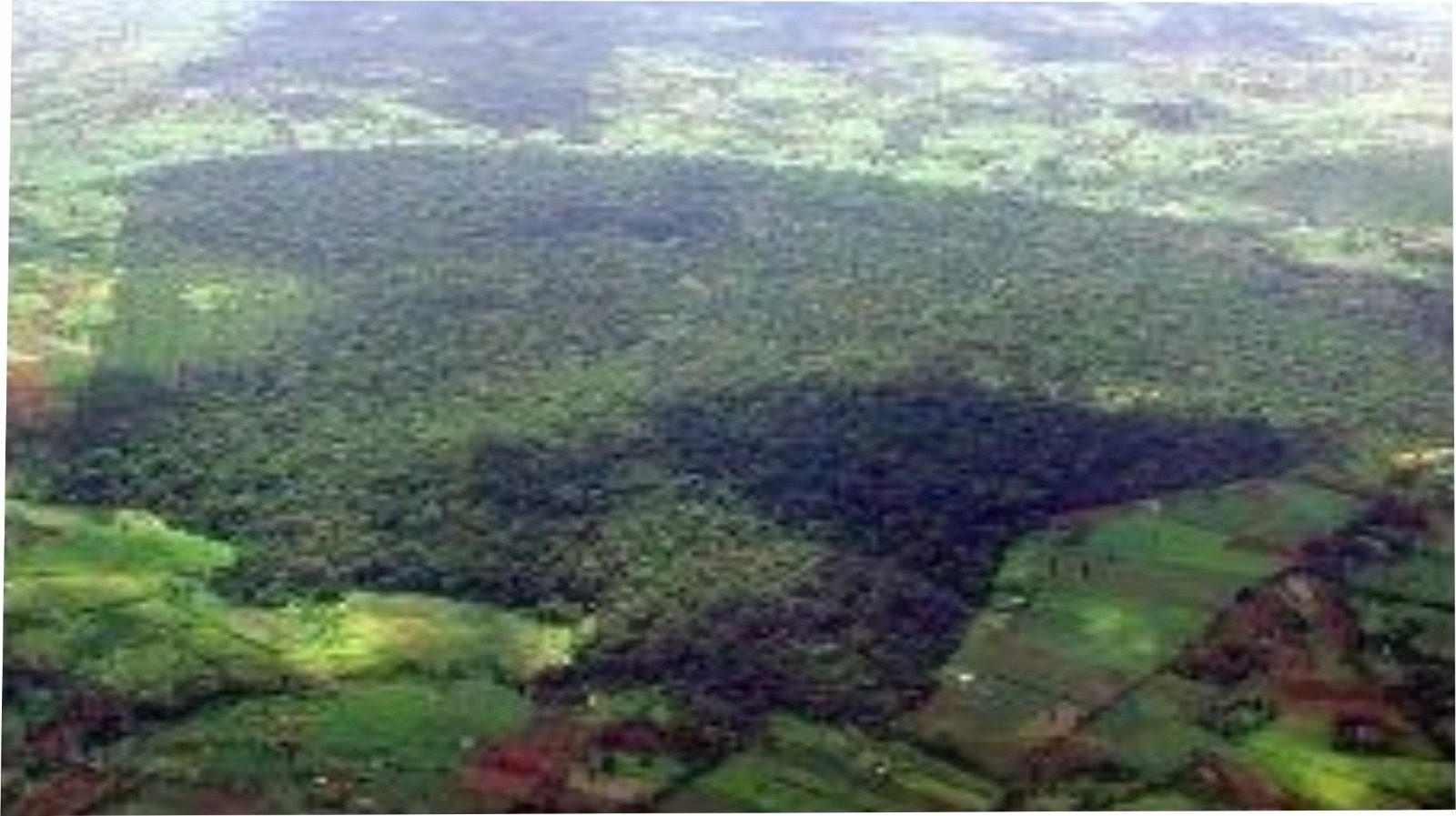
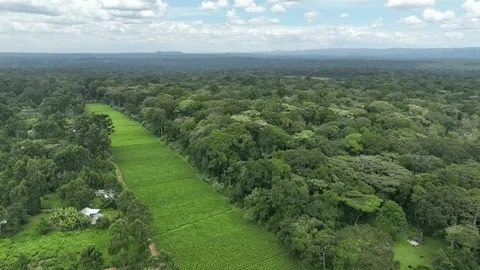
The forest as an island within the surrounding farmland.
Credit: K-BIAN
Guest accommodation within the reserve.
Credit: K-BIAN
Access tracks within the Kakamega Forest Ecosystem.
Credit: K-BIAN
A waterfall within the Kakamega Forest Ecosystem.
Credit: K-BIAN
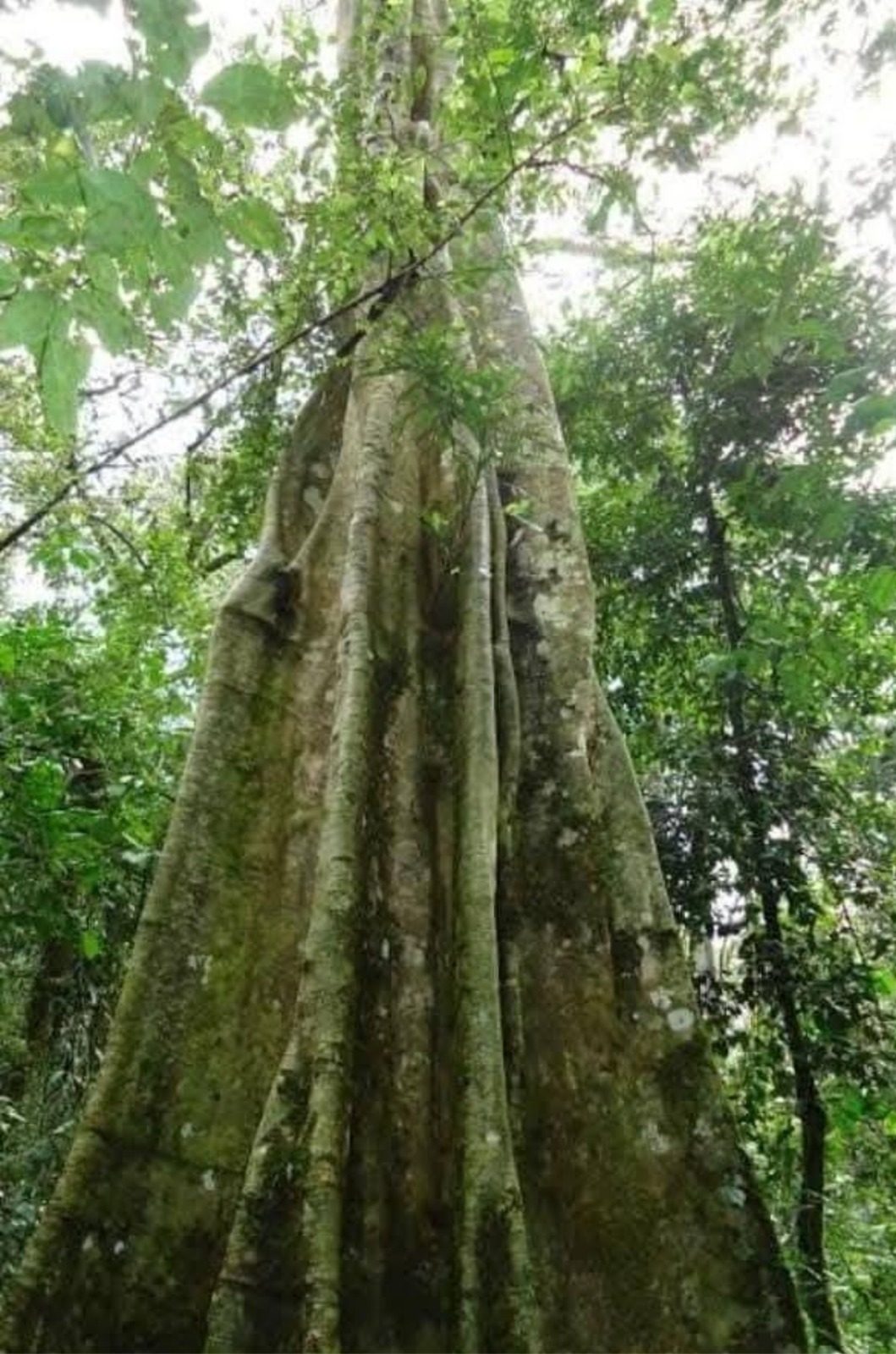
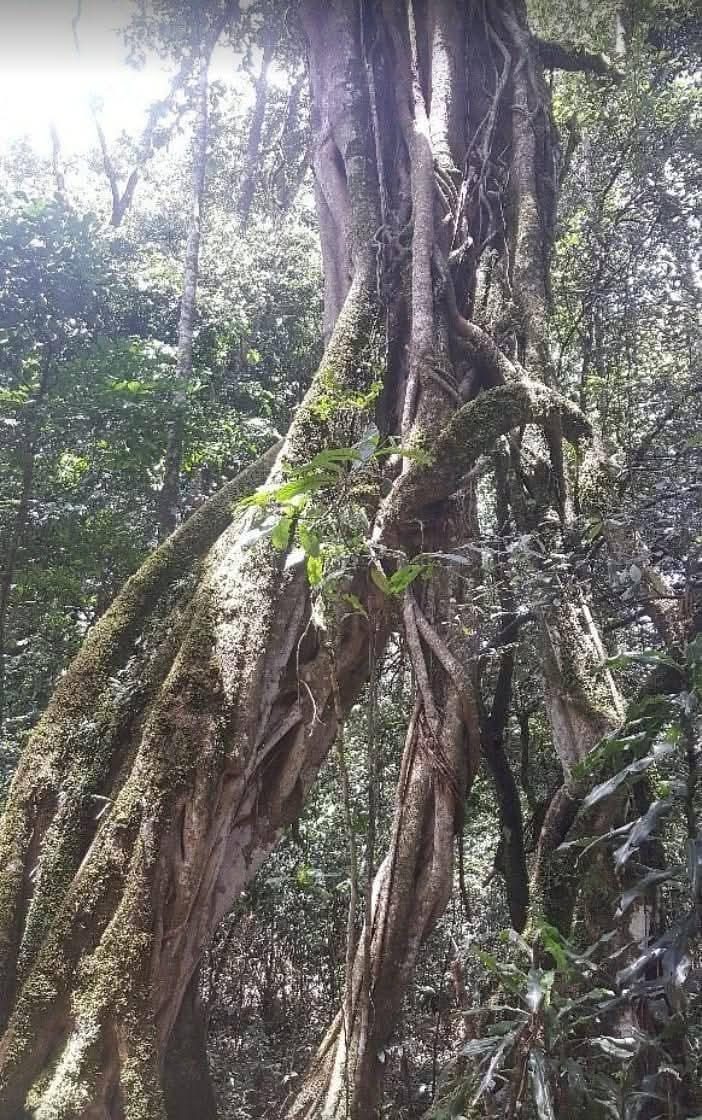
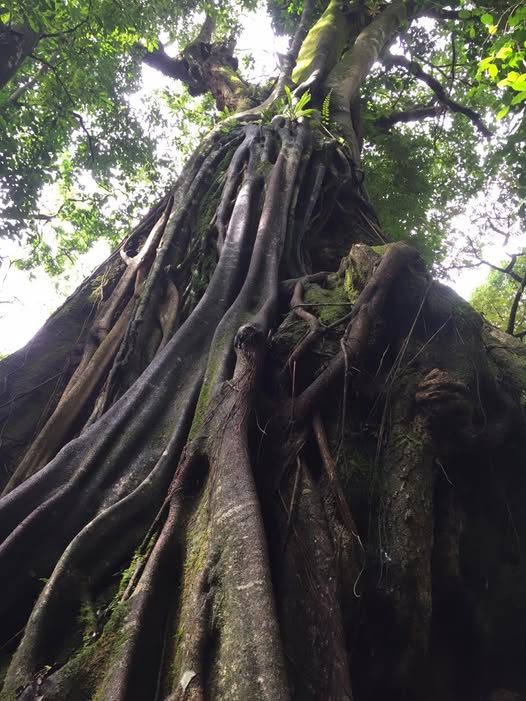
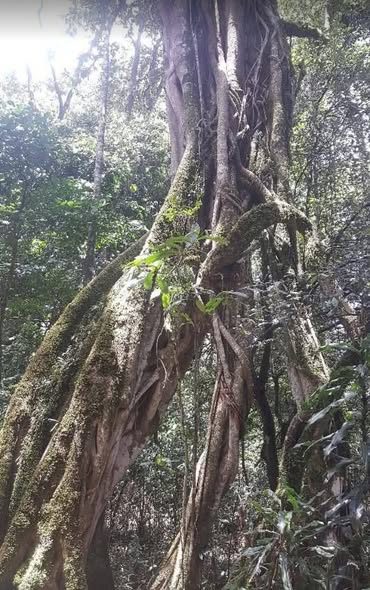
A buttressed tree, typical of the forest's indigenous canopy.
Credit: K-BIAN
A buttressed tree within the forest.
Credit: K-BIAN
A viewpoint over the forest and surrounding hills.
Credit: K-BIAN
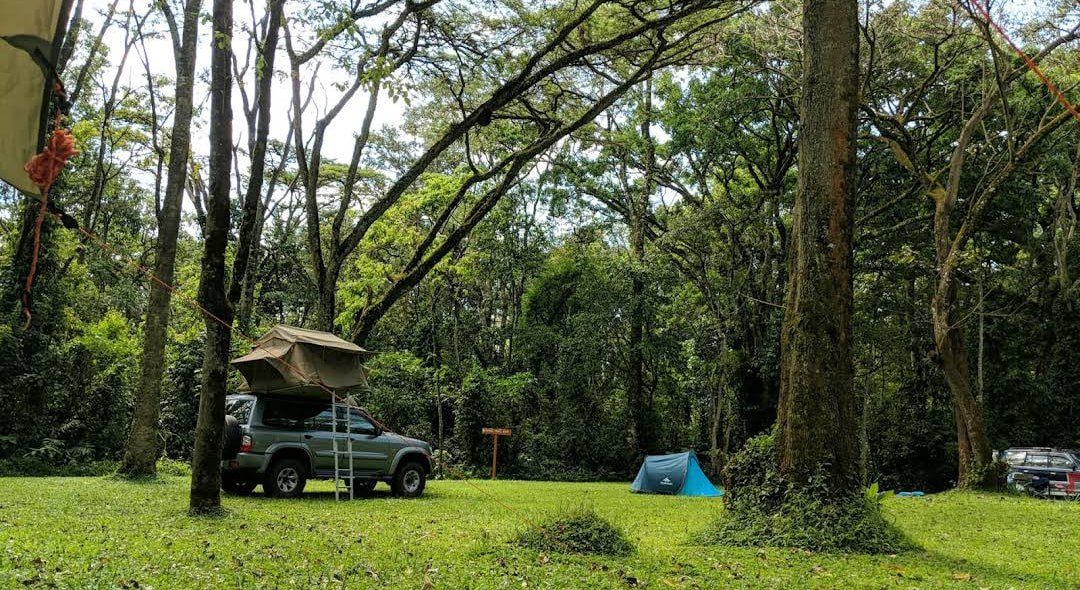
A campsite within the forest.
Credit: K-BIAN
Access tracks within the Kakamega Forest Ecosystem.
Credit: K-BIAN
The edge of the forest, bordering cultivated land.
Credit: K-BIAN
The forest as an island within the surrounding farmland.
Credit: K-BIAN
A buttressed tree within the forest.
Credit: K-BIAN
The Kakamega Forest Ecosystem at dawn.
Credit: K-BIAN
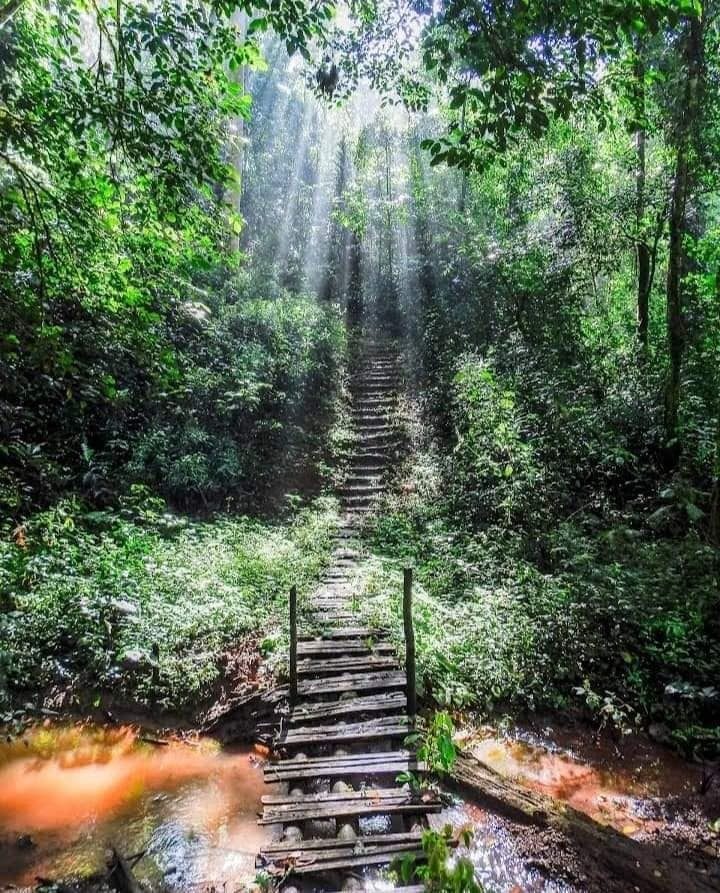
A footbridge within the Kakamega Forest Ecosystem.
Credit: K-BIAN
The Kakamega Forest Ecosystem, seen from the air.
Credit: K-BIAN
A buttressed tree within the forest.
Credit: K-BIAN
A buttressed tree within the forest.
Credit: K-BIAN
The wider picture
Mining and its impact
Alluvial gold mining along River Isiukhu, Kakamega County
6 photographs
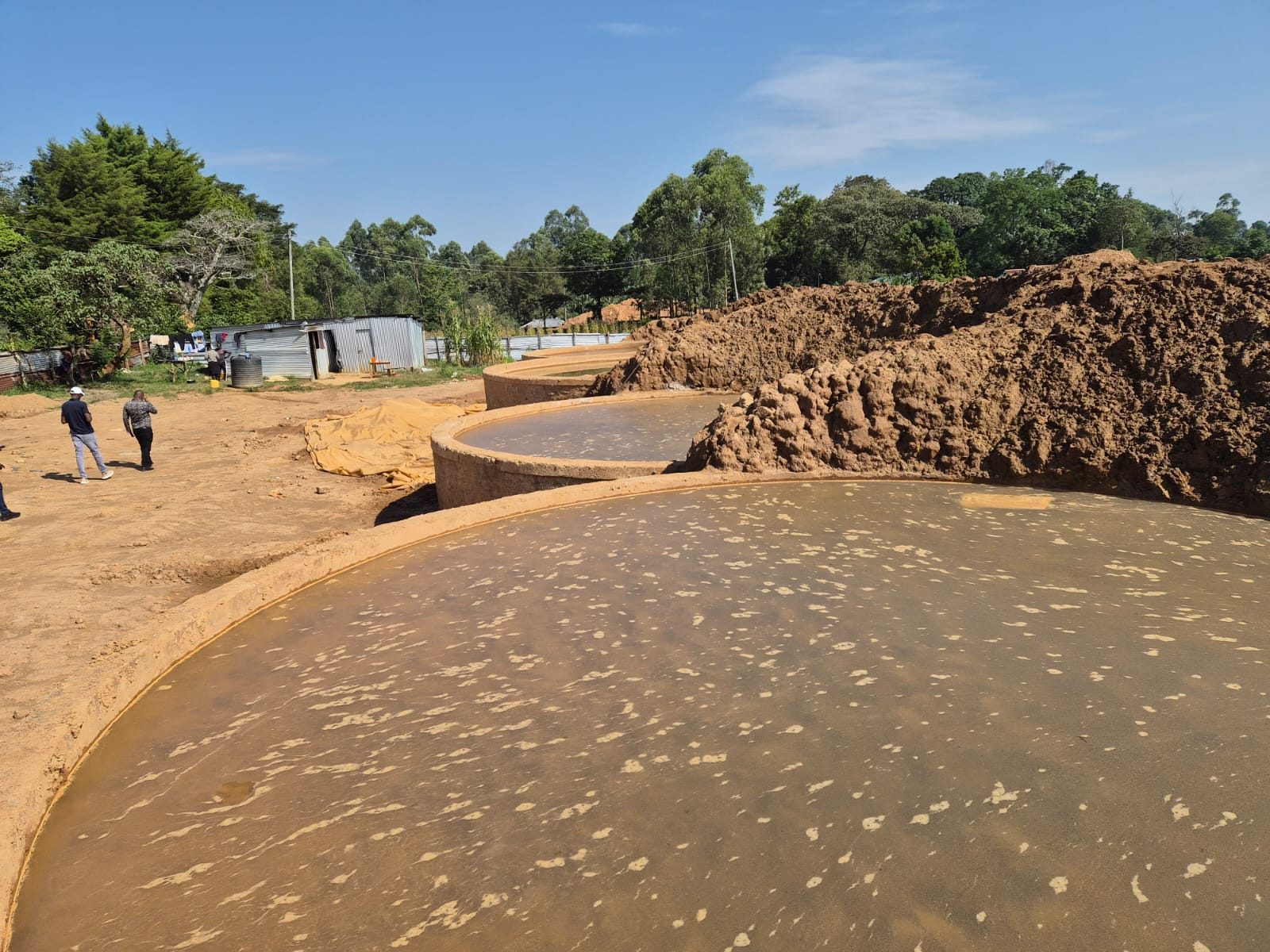
A leaching site along River Isiukhu, Kakamega County — the scale of the pits is visible against the people and shelter nearby.
Credit: K-BIAN
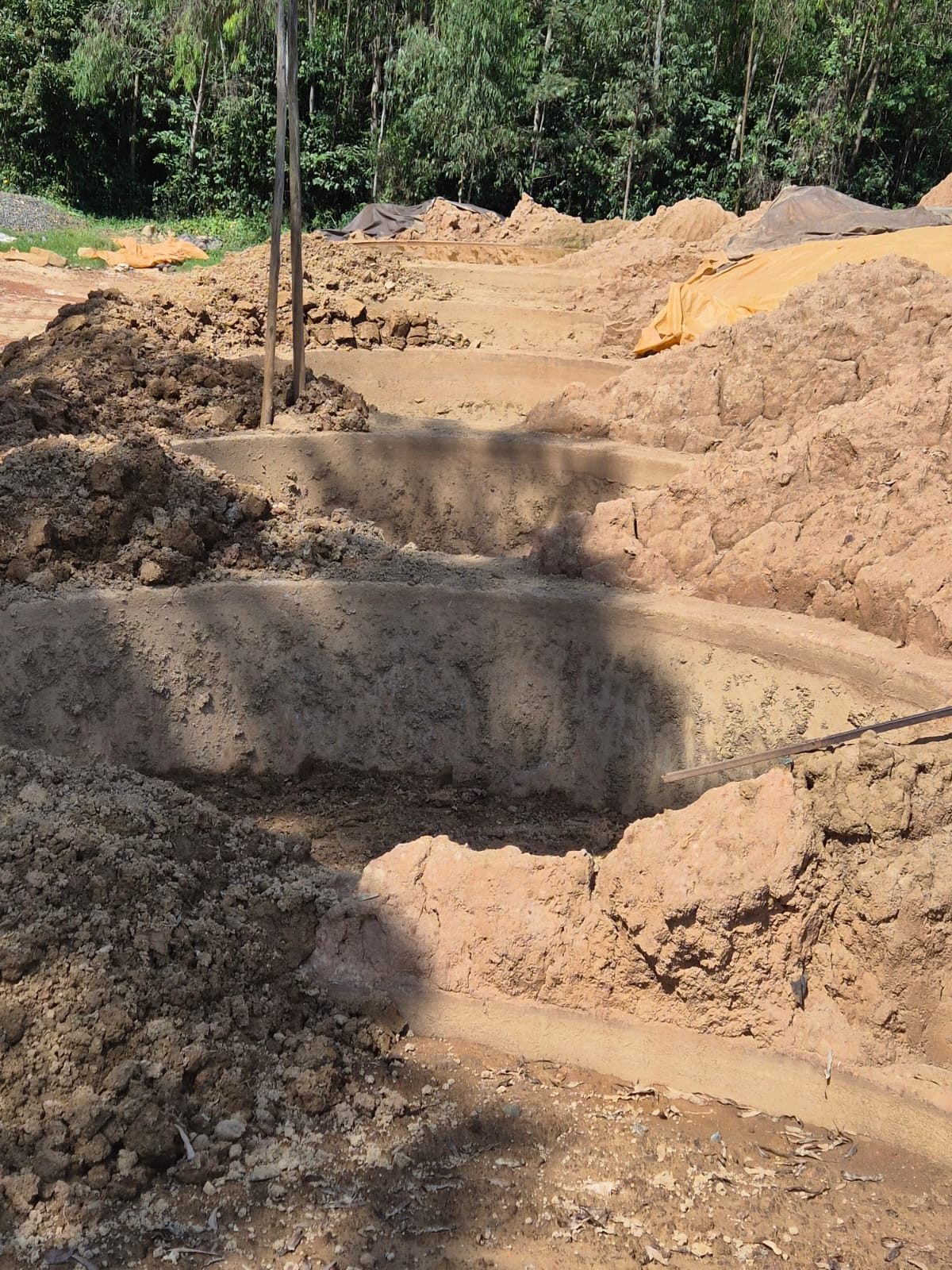
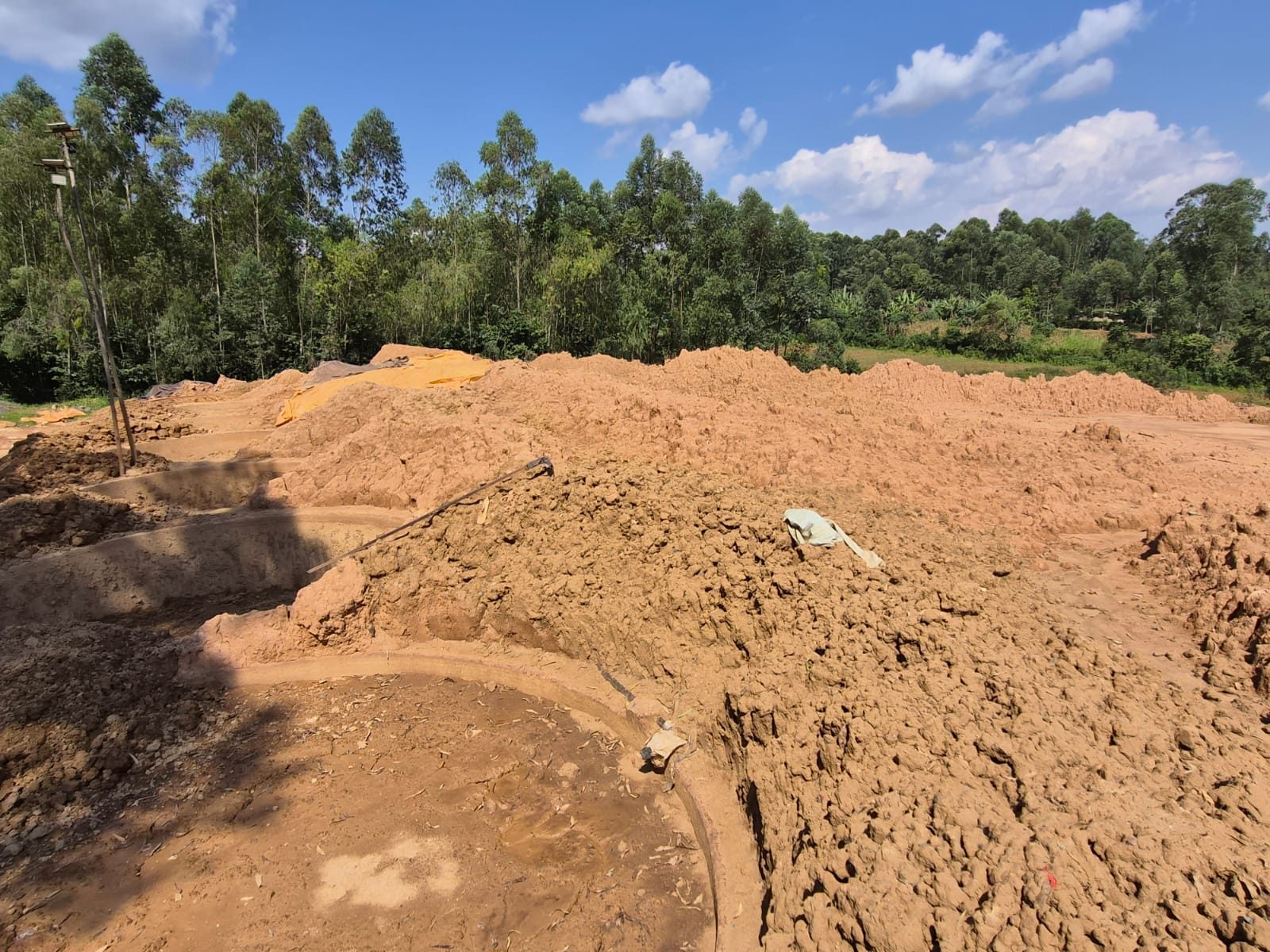
Ground excavated in stepped tiers at a mining site along River Isiukhu, Kakamega County.
Credit: K-BIAN
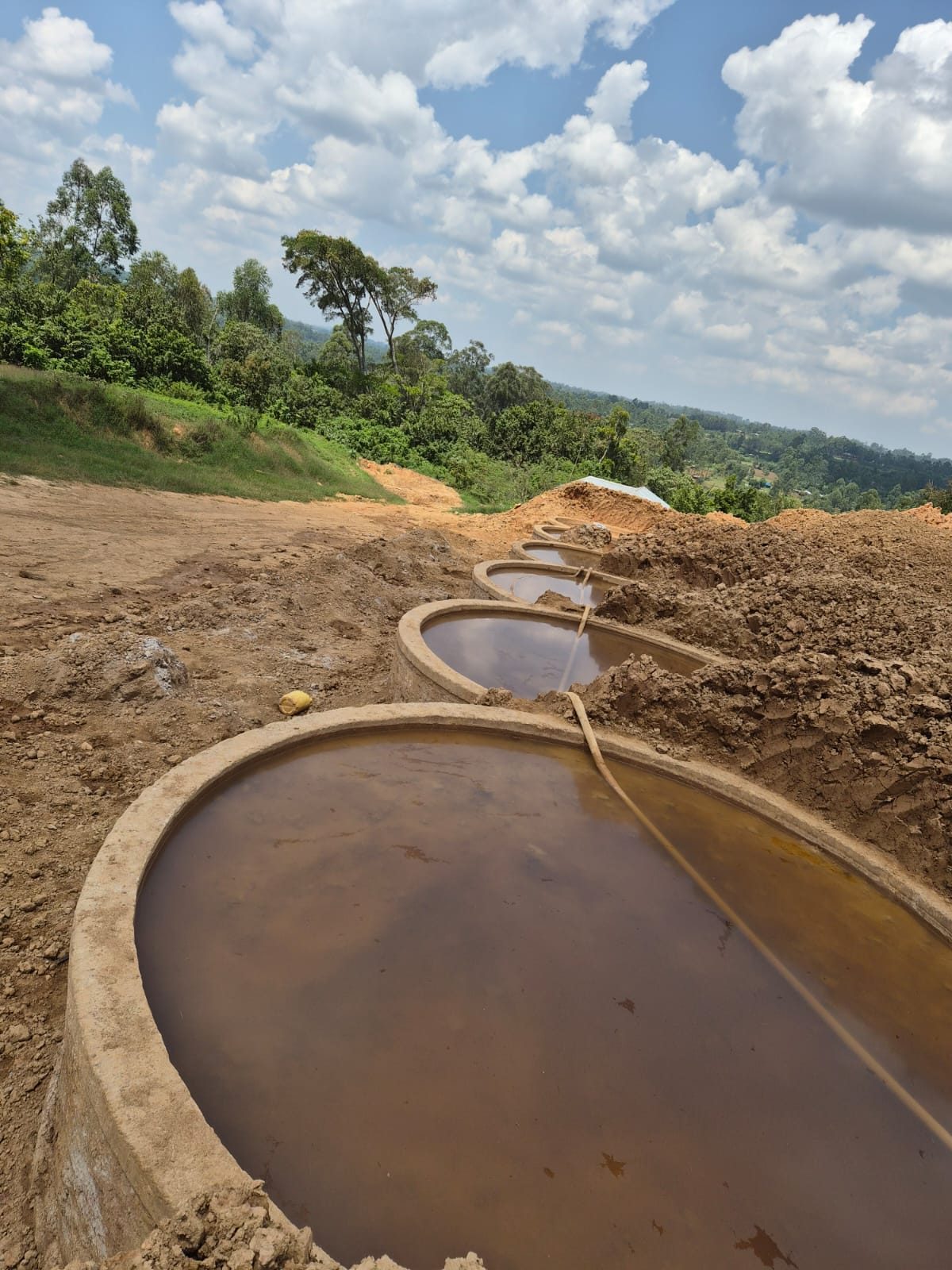
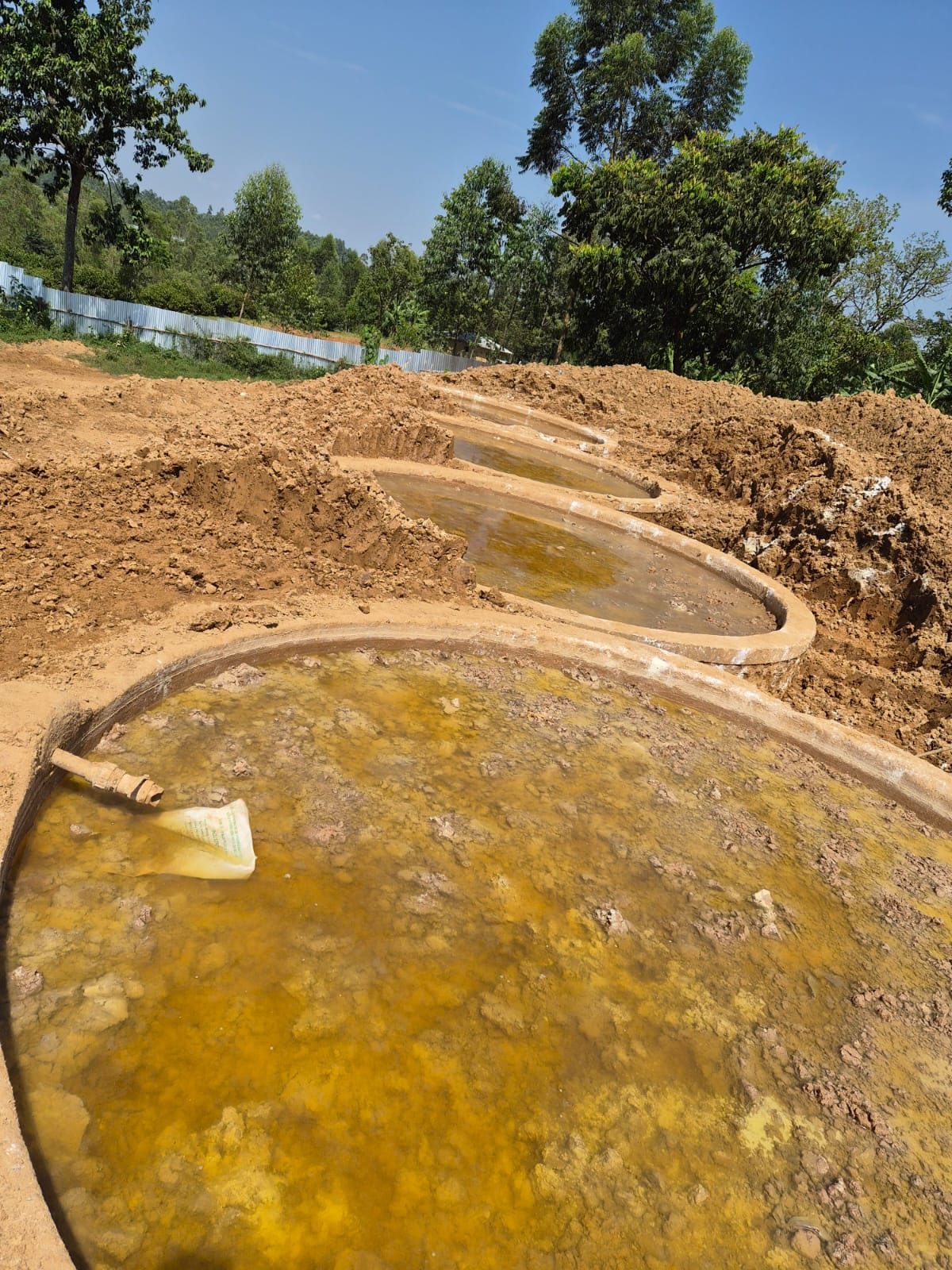
Discoloured water standing in mining leaching pits along River Isiukhu, Kakamega County.
Credit: K-BIAN
Water discoloured to a deep yellow-ochre inside a leaching pit along River Isiukhu, Kakamega County.
Credit: K-BIAN
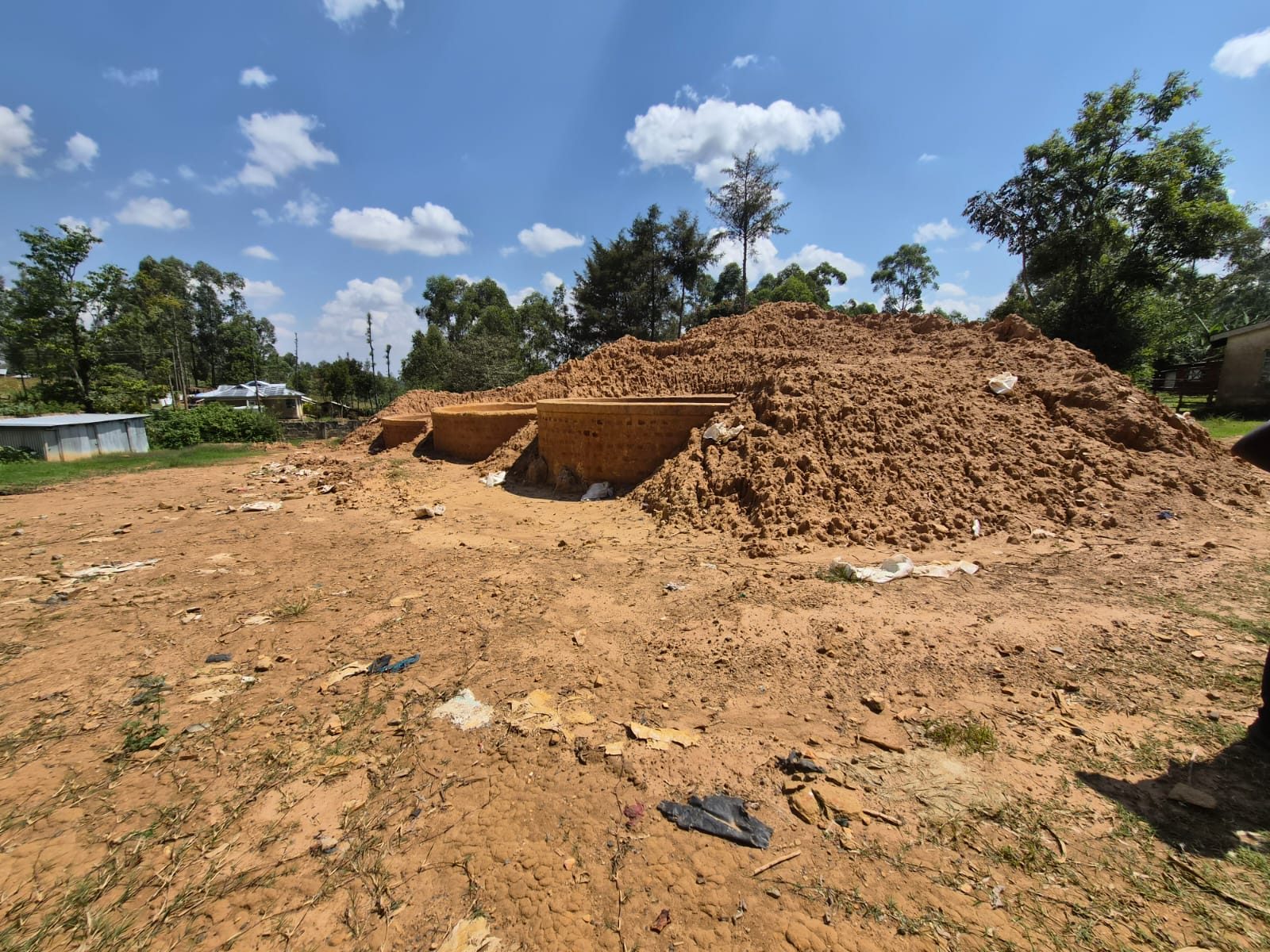
Bare, stripped ground and a soil heap around excavated pit walls along River Isiukhu, Kakamega County.
Credit: K-BIAN
Soil heaps from mining activity piled against the forest edge along River Isiukhu, Kakamega County.
Credit: K-BIAN